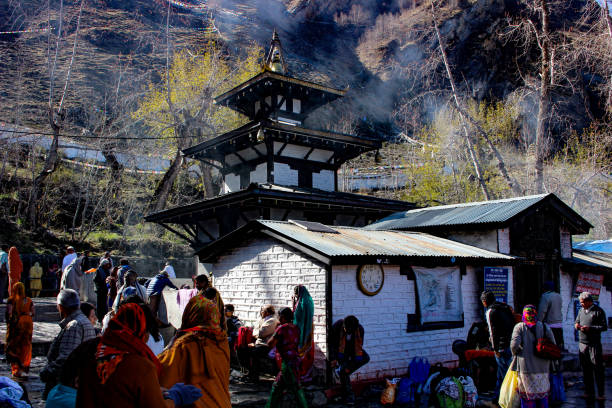
Muktinath Temple is one of Nepal’s most sacred pilgrimage sites, located in the Mustang district at an altitude of about 3,710 meters above sea level. It holds great religious significance for both Hindus and Buddhists, symbolizing harmony and coexistence between the two faiths.
For Hindus, Muktinath is a holy temple dedicated to Lord Vishnu, where visiting and worshipping is believed to bring moksha (liberation from the cycle of birth and death). The temple is famous for its 108 water spouts, where pilgrims bathe in icy water as an act of purification. Nearby, the Jwala Mai temple features a natural eternal flame, adding a mystical element to the site.
For Buddhists, Muktinath is known as Chumig Gyatsa, meaning “Hundred Waters,” and is an important place for meditation and spiritual practice.
Surrounded by breathtaking Himalayan landscapes, close to the Kali Gandaki River, the area is also known for Shaligram stones—sacred fossils associated with Lord Vishnu. The journey to Muktinath, often via Pokhara and Jomsom, is both adventurous and spiritually enriching.
Overall, Muktinath is not just a religious destination but a unique blend of spirituality, natural beauty, and cultural diversity.